
A Concrete Slab Calculator is a useful tool for homeowners, builders, contractors, and DIY enthusiasts who need to estimate how much concrete is required for a slab project. Whether you are building a driveway, patio, garage floor, walkway, foundation, or shed base, calculating the correct amount of concrete before ordering can help reduce waste, save money, and make planning easier.
What Is a Concrete Slab Calculator?
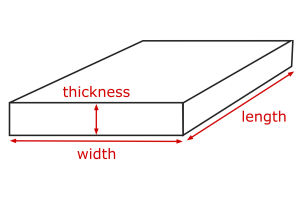
A Concrete Slab Calculator determines the approximate volume of concrete needed based on the slab’s length, width, and thickness. Most calculators allow you to enter these measurements in feet, inches, meters, or other common units.
The basic calculation is:
Concrete Volume = Length × Width × Thickness
For example, if you have a slab that is 20 feet long, 10 feet wide, and 4 inches thick, the calculator converts the thickness into feet and calculates the required volume. The result can then be displayed in cubic feet, cubic yards, or cubic meters.
Why Use a Concrete Slab Calculator?
Estimating concrete manually can be time-consuming and prone to mistakes, especially when measurements use different units. A calculator simplifies the process and provides a quick estimate.
It can help you:
- Determine the amount of concrete required
- Estimate concrete in cubic yards or cubic meters
- Plan material purchases
- Reduce unnecessary waste
- Compare project requirements with supplier quantities
- Calculate costs when a price per cubic yard or meter is available
Accurate calculations are particularly important because ordering too little concrete can cause delays, while ordering significantly more than necessary can increase project costs.
How to Calculate Concrete for a Slab
Start by measuring the length and width of the area. Then determine the required slab thickness. Residential concrete slabs are often several inches thick, but the appropriate thickness depends on the project, soil conditions, structural requirements, and local building standards.
Make sure all measurements use the same unit. If the thickness is given in inches while the length and width are in feet, convert the thickness to feet before calculating.
For example:
Length: 20 ft
Width: 10 ft
Thickness: 4 in = 0.333 ft
Therefore:
20 × 10 × 0.333 ≈ 66.6 cubic feet
Since one cubic yard equals 27 cubic feet:
66.6 ÷ 27 ≈ 2.47 cubic yards
In practice, it is common to account for a small amount of additional concrete because actual site conditions and measurement variations can affect the final requirement.
Other Factors to Consider
A Concrete Slab Calculator provides an estimate rather than a substitute for professional structural planning. Irregularly shaped areas may require the project to be divided into several sections and calculated separately.
You should also consider the concrete mix, reinforcement, sub-base preparation, drainage, joints, and finishing requirements. For structural slabs, professional engineering advice may be necessary.
Conclusion
A Concrete Slab Calculator makes concrete estimation faster and easier. By entering the slab’s dimensions and thickness, you can quickly determine the approximate volume of concrete needed for your project. Using accurate measurements and allowing for a reasonable amount of extra material can help you plan your project efficiently, control costs, and avoid unnecessary delays.